University of Mahajanga : Towards the integration of module on the fight against corruption into training for Master’s students
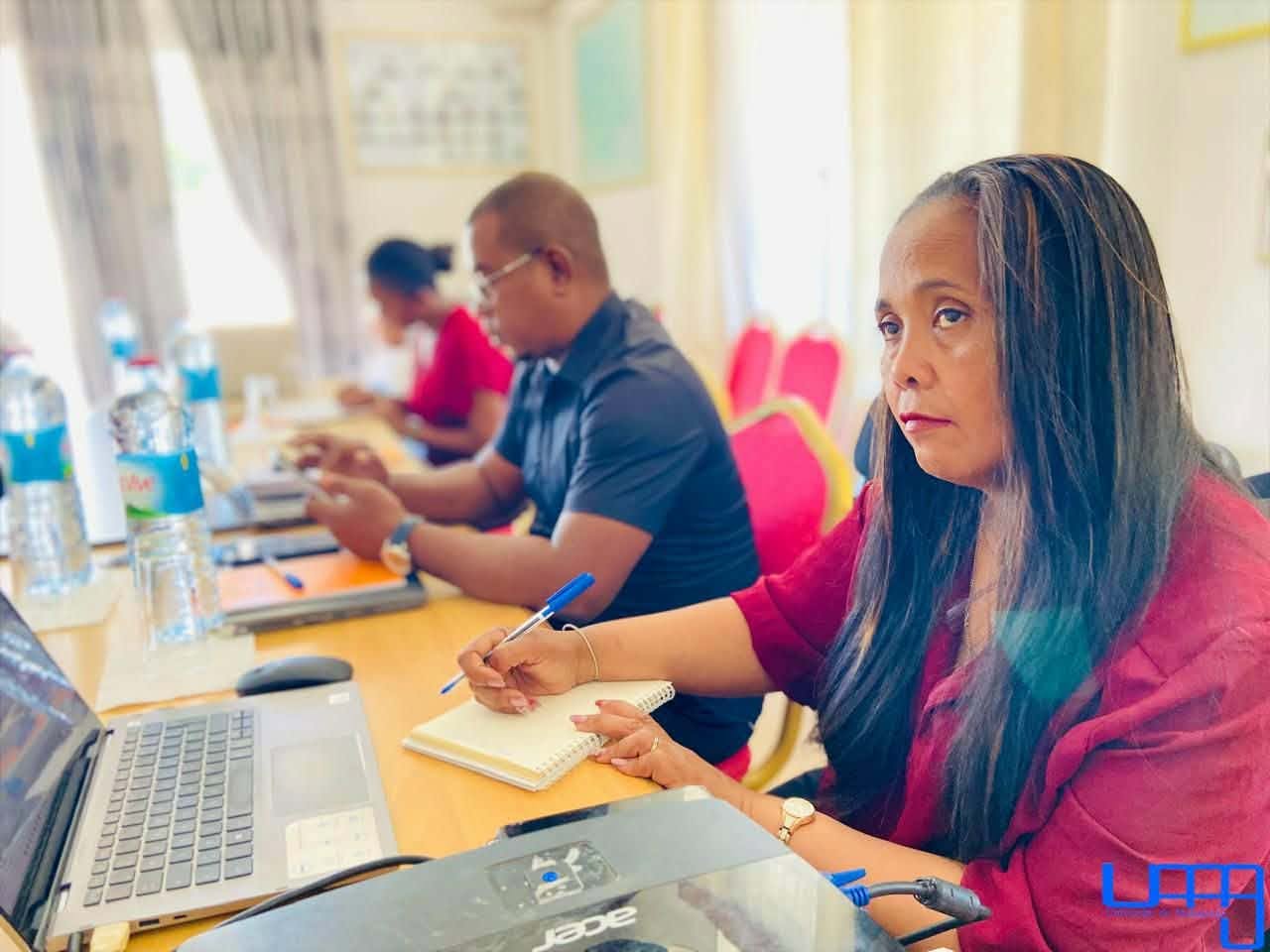
On 1 and 2 September 2026, the Independent Anti-Corruption Bureau (BIANCO) Mahajanga hosted a workshop dedicated to the development of a training module on the fight against corruption for Master’s students at the University of Mahajanga.
This initiative, resulting from collaboration between the Swiss Confederation, the International Organisation of La Francophonie (OIF), and the BIANCO, is part of an approach aimed at sustainably integrating prevention of corruption and the promotion of integrity into university pathway.
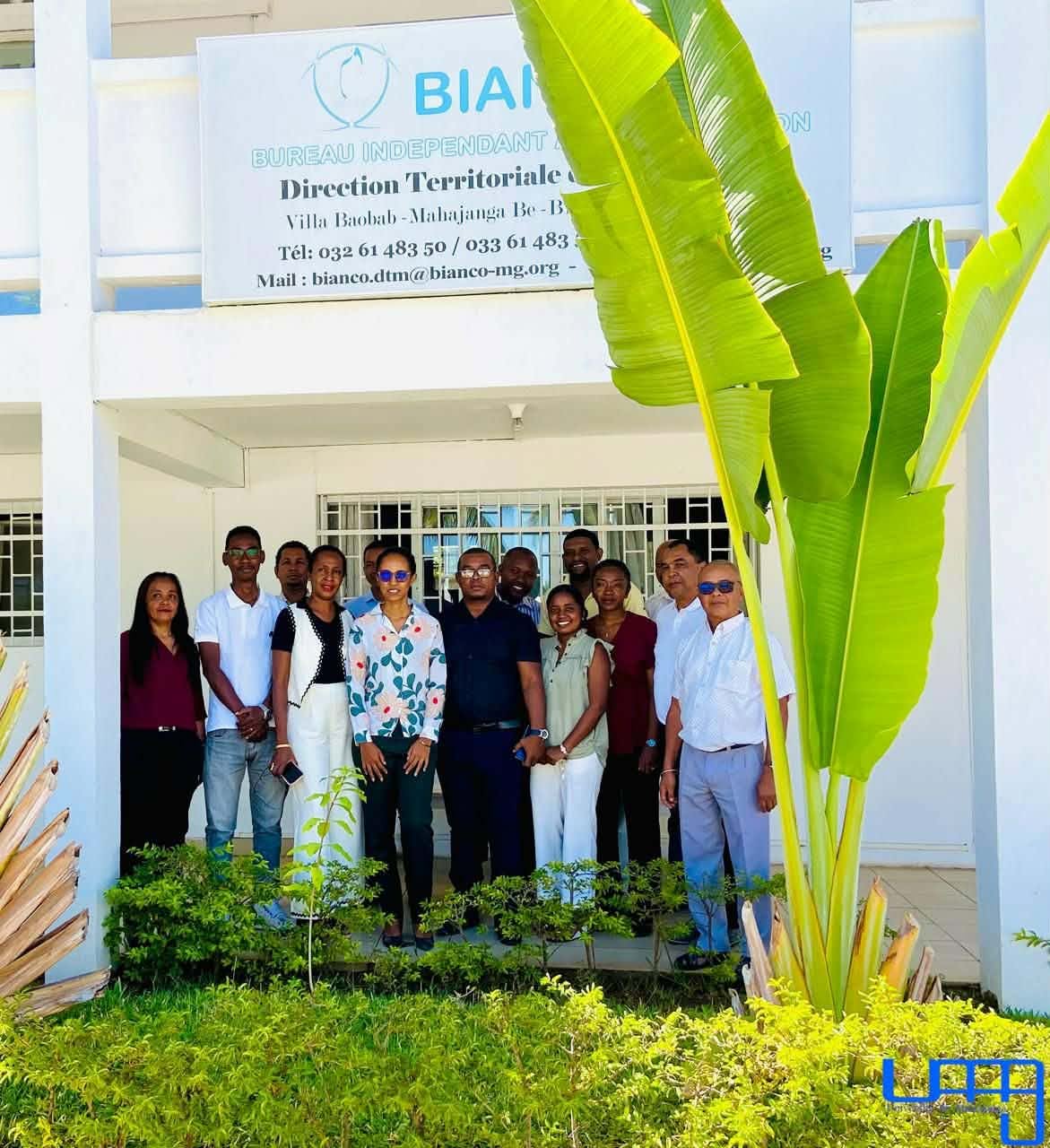
The objective is to enable future managers and professionals to develop, from their university training onwards, the knowledge, attitudes and tools needed to identify corruption risks, prevent unethical practices, and adopt behaviours based on integrity, accountability and transparency.
The workshop brought together officials from the Presidency of the University of Mahajanga, as well as representatives from three higher education institutions: the Institute of Letters, Civilisations and Social Sciences (ILC-SS), the School of Law and Political Sciences (EDSP), and the University Institute of Management and Administration (IUGM).
Together, lecturers, experts and academic officials worked on the content, learning objectives and structure of the future module, with a view to adapting it to the realities and needs of Master’s-level students.
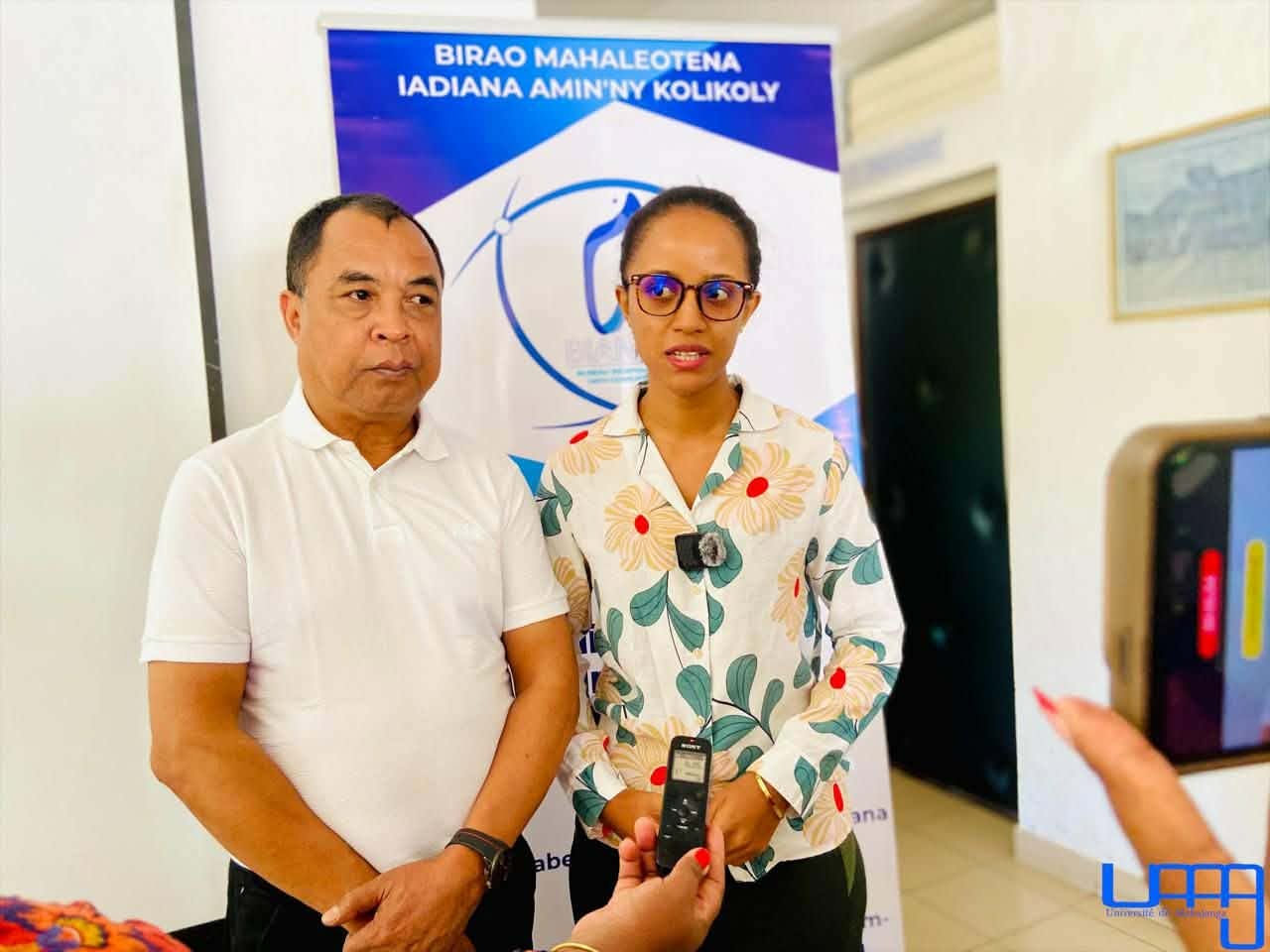
The opening ceremony featured an address by Mr Solofonirina RASOLOHARIJAONA, Administrative and Financial Director (DAF) of the University of Mahajanga, representing the President of the University. Ms Sitraka Harivony Maria Patrick RAZANABAHOAKA, Territorial Director of BIANCO Mahajanga, then officially opened the workshop, marking the beginning of the work.
This initiative contributes to the implementation of the orientations of the National Anti-Corruption Strategy (SNLCC) and the General Policy of State for Refoundation (PGE-R), by investing in the training of a new generation of professionals committed to more ethical and accountable governance. Following two days of reflection and work, the participants developed a structured draft module designed to provide future managers with practical reference points and tools to better understand corruption, recognize risk situations and contribute, within their respective spheres, to its prevention.
The module is expected to be piloted from the next academic year at the participating institutions. Training people in integrity today means preparing tomorrow’s actors for responsible governance.