United Nations Convention against Corruption (UNCAC) : three days of strategic review to strengthen the fight against corruption in Madagascar
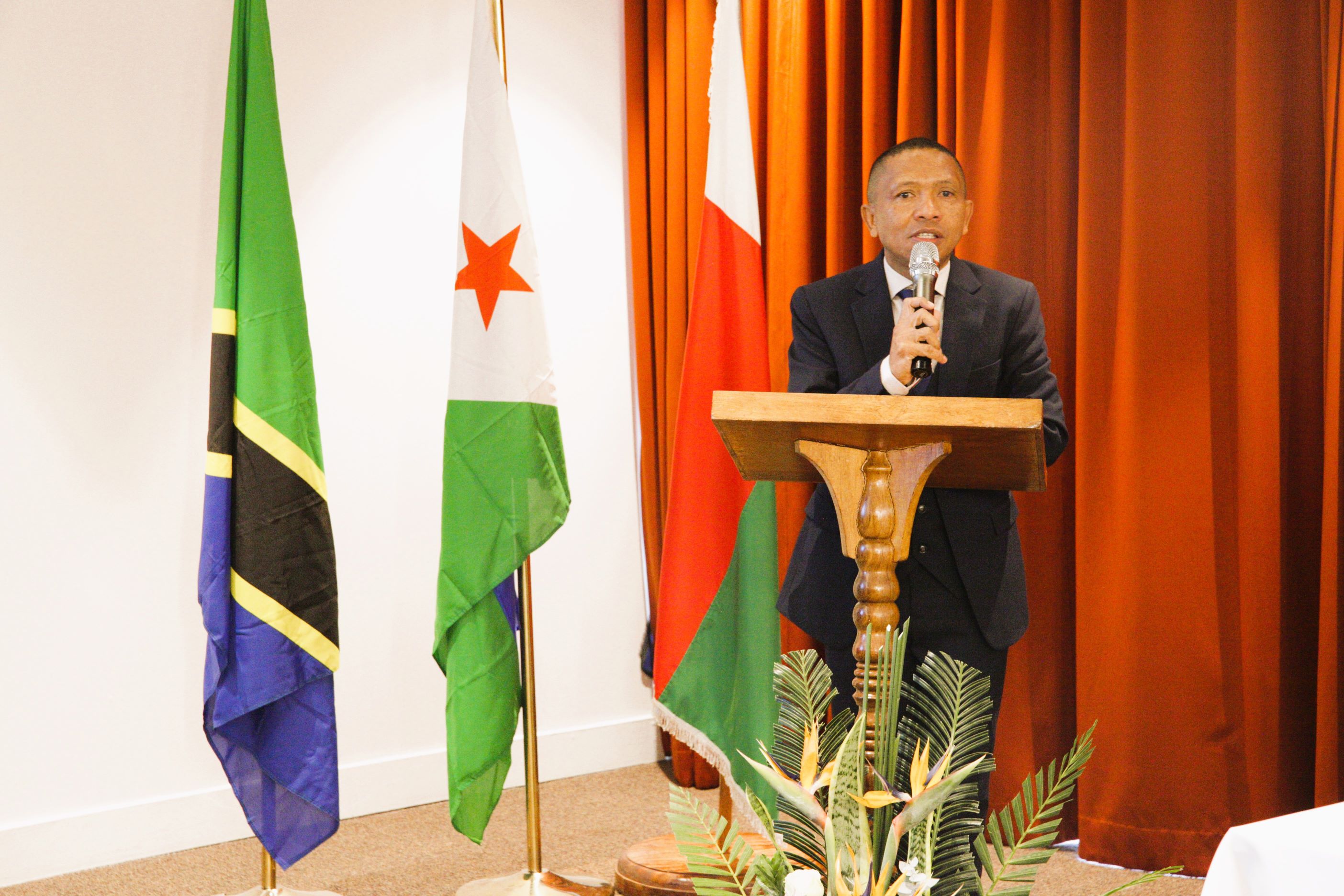
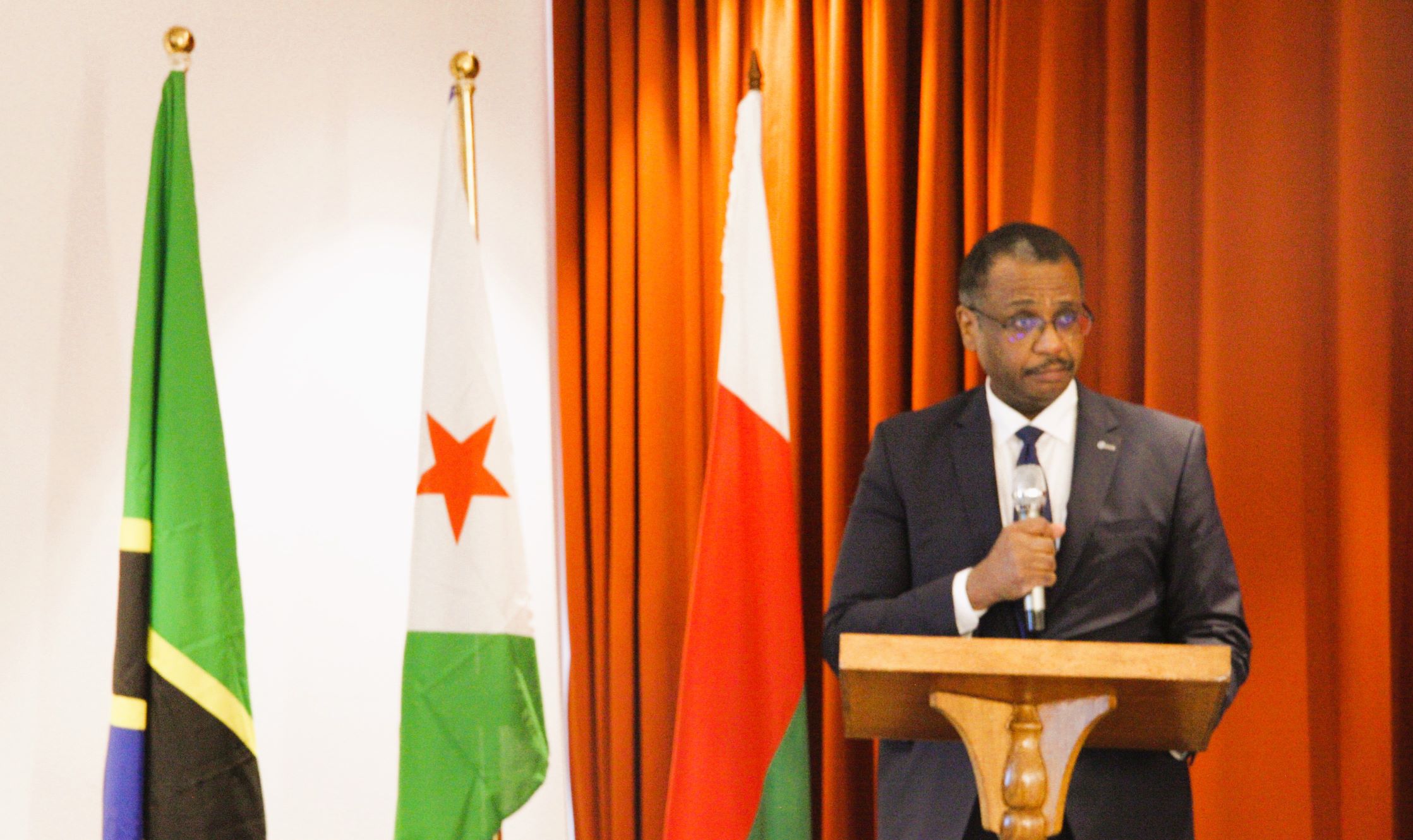
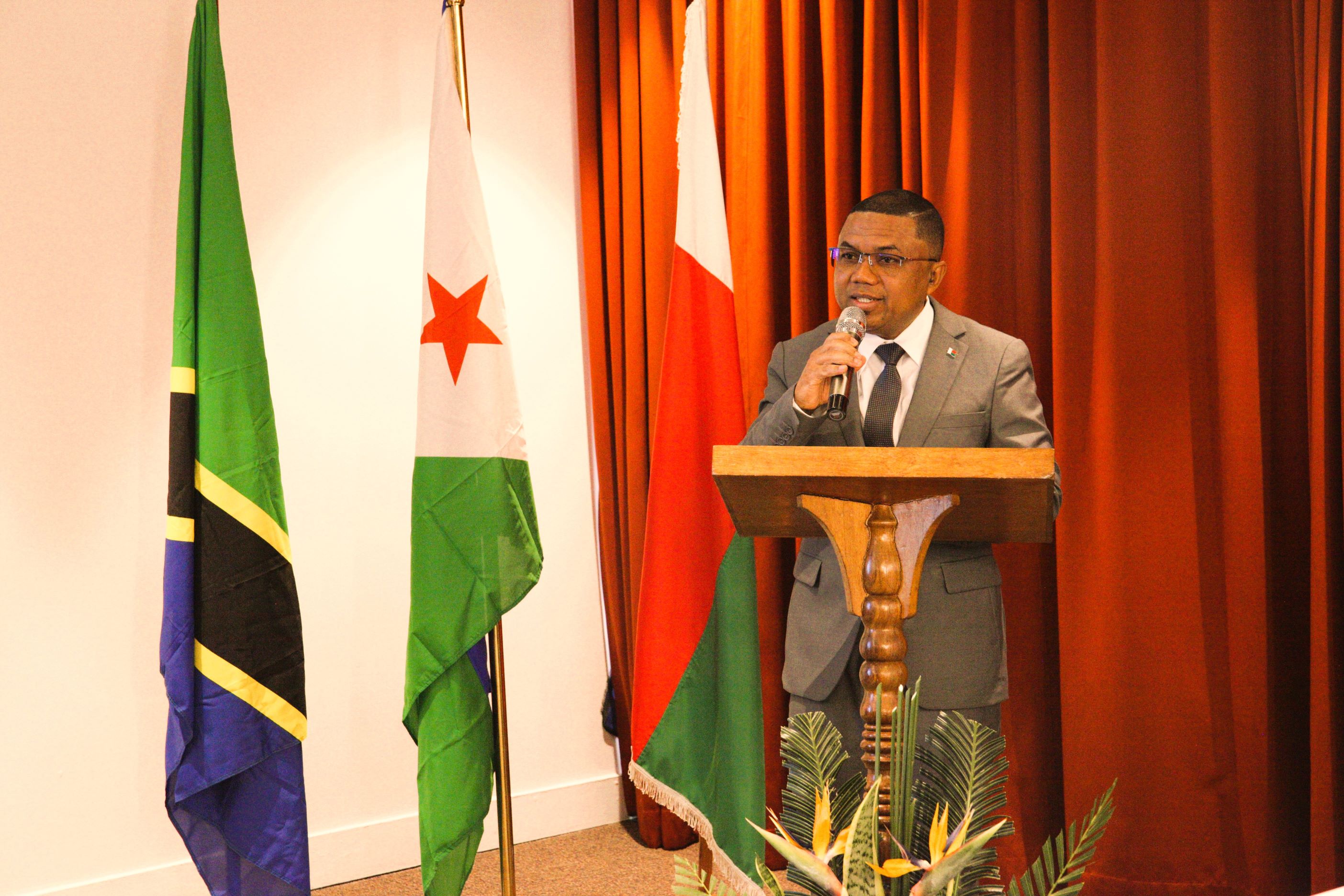
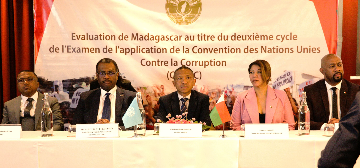
Antananarivo, June 30, 2026 – Madagascar is hosting, from June 30 to July 2, 2026, the country visit of expert reviewers appointed by the reviewing States Parties, Djibouti and Tanzania, as part of the second cycle of the Implementation Review Mechanism of the United Nations Convention against Corruption (UNCAC). This mission marks a key milestone in the peer review process aimed at assessing Madagascar’s implementation of the Convention’s provisions on preventive measures (Chapter II) and asset recovery (Chapter V).
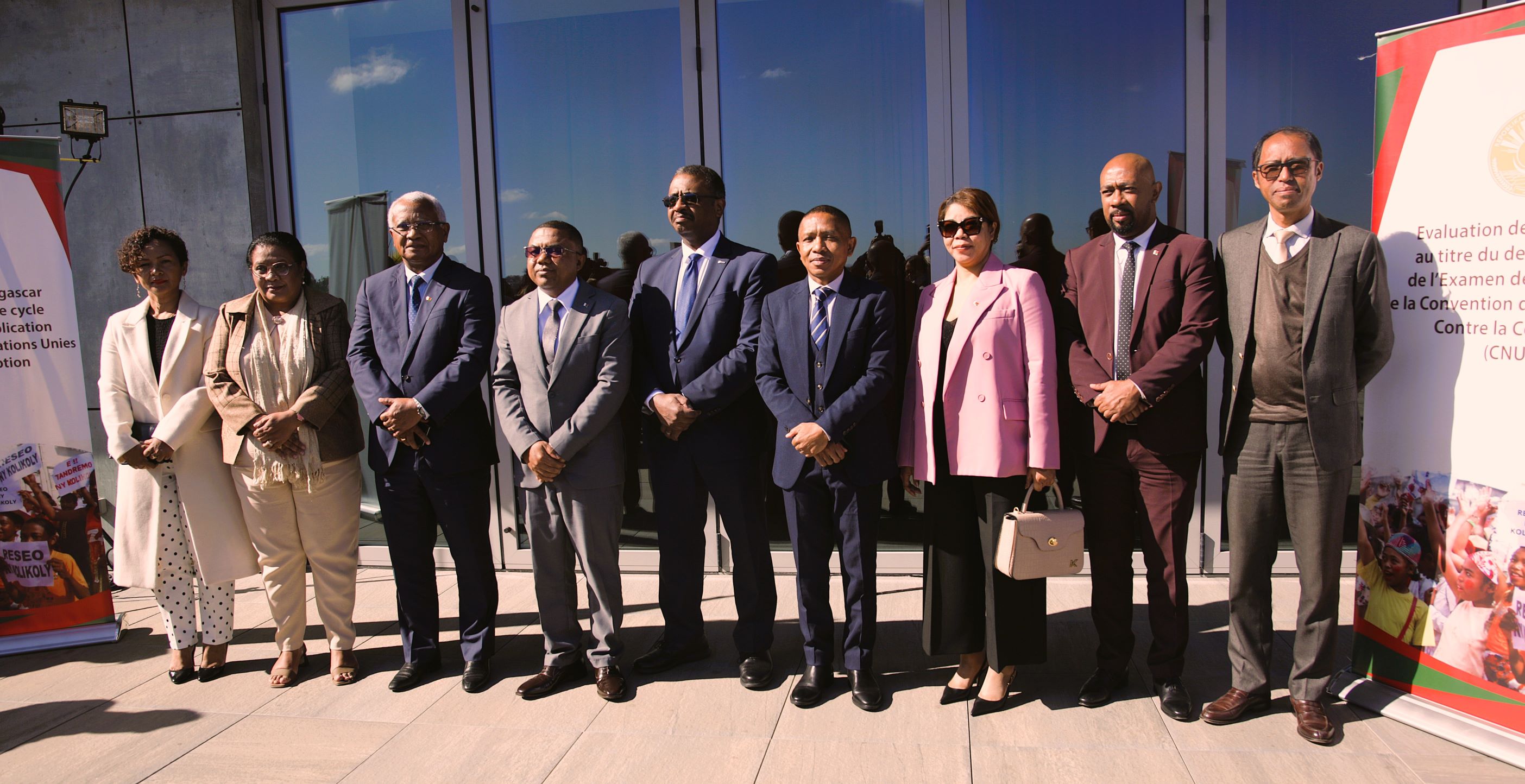
Over the course of three days, national anti-corruption actors, led by the process co-focal points—the Integrity Safeguard Committee (CSI), and the Independent Anti-Corruption Bureau (BIANCO)—will engage in technical discussions with the expert reviewers, with the support of the United Nations Office on Drugs and Crime (UNODC). The discussions will focus on strategic issues at the core of public governance, institutional transparency, and Madagascar’s sustainable development.
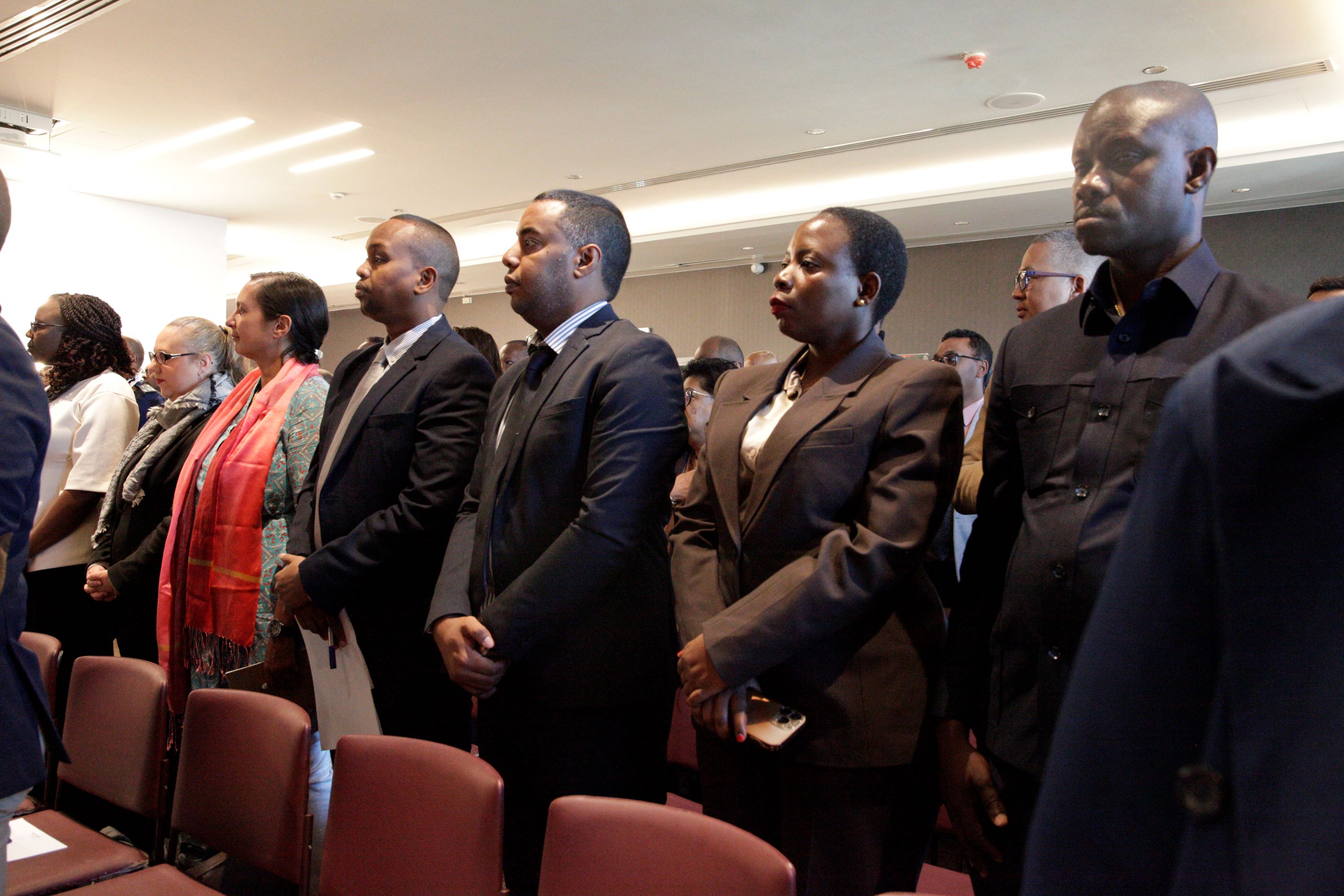
Regarding Chapter II, the review highlights Madagascar’s progress in strengthening its national anti-corruption framework through the consolidation of the institutions comprising the Anti-Corruption System(SAC), the adoption of the 2025–2030 National Anti-Corruption Strategy (SNLCC), and the gradual implementation of Internal Anti-Corruption Policies (PILCC)) across government ministries. Discussions will focus in particular on enhancing preventive mechanisms, especially in high-risk sectors such as land administration, public procurement, customs, security services, the judiciary, and natural resource management. Despite these achievements, the reviewers will seek to identify implementation gaps in relation to the requirements of the Convention. These include provisions that have been only partially implemented or have yet to be fully incorporated into domestic law, existing measures whose implementation remains insufficient, as well as inconsistencies between the legal framework and institutional practice.
With regard to Chapter V, the review will highlight Madagascar’s progress in the recovery of illicit assets, notably through the gradual operationalization of the Agency for the Recovery of Illicit Assets (ARAI), the strengthening of the Anti-Corruption units (PACs), and enhanced judicial and financial cooperation mechanisms. The expert reviewers will examine the country’s capacity to trace financial flows, as well as the timelines and challenges associated with freezing, seizure, and confiscation procedures. They will also assess the level of international cooperation in the areas of mutual legal assistance, extradition, and information sharing. Finally, they will examine cases of asset return and the coordination among the relevant national institutions, including the competent courts, the ARAI, and specialized services
« This evaluation should be seen as a strategic opportunity to accelerate structural reforms. It offers Madagascar the chance to strengthen its regulatory framework, improve inter-institutional coordination, consolidate transparency mechanisms, and increase the effectiveness of anti-corruption measures. It follows on from the first review cycle conducted in 2015, thus marking the continuity of the process of assessing the country’s compliance with international commitments to combat corruption. (…) In a context of refoundation , this evaluation serves as an indicator of the State’s capacity to uphold the principle of equality before the law, strengthen trust between institutions and citizens, and guarantee the integrity of public resources management.» the focal points emphasized .
It should be noted that this evaluation represents a major challenge for Madagascar. It is essential for the refoundation of governance and the rule of law, guarantees the safeguarding of public finances and strategic resources, while validating the State’s capacity to effectively integrate with global networks to eradicate illicit financial flows.