The fight against corruption : Madagascar finalizes its preparations for the international evaluation under the second cycle of the UNCAC
Antananarivo, 18–19 June 2026 – In line with its international commitments, Madagascar is preparing to take a decisive step in the evaluation of the measures undertaken by the country to combat corruption.
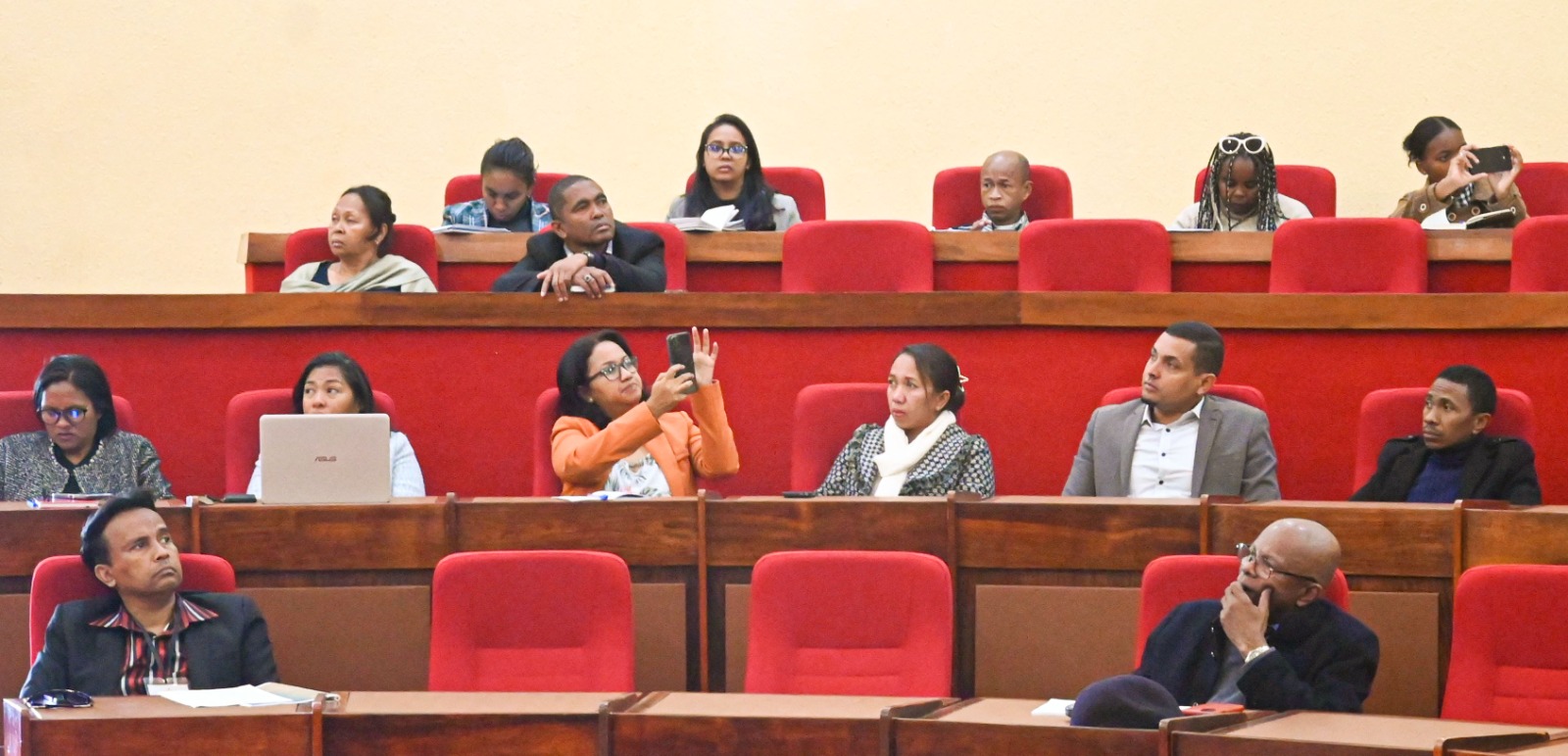
Under the joint coordination of the process co-focal points, the Integrity Safeguard Committee (CSI) and the Independent Anti-Corruption Bureau (BIANCO), and in order to finalize preparations ahead of the country visit of the reviewing experts, scheduled from 30 June to 2 July 2026, two data review and preparatory meetings will be held on 18 and 19 June 2026 at the Ministry of Foreign Affairs in Anosy.These working sessions will bring together representatives of the relevant ministries, oversight bodies, the private sector, and civil society ..They will make it possible to validate updated data and statistics relating to Chapter II (Preventive Measures) and Chapter V (Asset Recovery) of the United Nations Convention against Corruption (UNCAC), harmonize responses to observations made by the reviewing States, and prepare the contributions of the various national entities during the country visit.
As part of this review, Madagascar will host a delegation of reviewing experts mandated by Djibouti and Tanzania. With the technical support of the United Nations Office on Drugs and Crime (UNODC), the evaluation will be based on a rigorous review of the compliance of Malagasy legislation and its practical implementation with international standards. While the first cycle, completed in 2015, focused on criminalization and international cooperation, this second cycle specifically examines two technical pillars :
- Under the prevention of corruption, the review focuses on the effectiveness of national policies and anti-corruption bodies. Evaluators will scrutinize transparency in public procurement, public financial management, codes of conduct for public officials, and anti-money laundering mechanisms. The integrity of the judicial system, public access to information, and the involvement of civil society and the private sector will also be assessed.
- Under the asset recovery, this strategic pillar assesses the country’s operational capacity to detect and block illicit transfers of capital. It also examines legal mechanisms for seizure and confiscation, procedures for the restitution of assets stolen from the State, the role of the Financial Intelligence Unit as well as the effectiveness of international cooperation agreements concluded by Madagascar.
“The preparatory work makes it possible to identify the realities of the national legal framework and the priority technical adjustments that will be submitted to the experts. It should be noted that this peer-review mechanism is an essential intergovernmental process that not only helps identify good practices, but also constructively highlights the institutional challenges encountered by the State in fulfilling its international obligations. The success of this review is crucial to strengthening Madagascar’s strategic partnerships, promoting international cooperation, and safeguarding the country’s economic future,” emphasized the co-focal points.
Through this broad mobilization effort, the Malagasy authorities are demonstrating a commitment to transparency towards the evaluators, with a view to transforming technical observations into opportunities for concrete legislative and institutional reforms for the benefit of national integrity.