Toliara : Towards secure and transparent management of FEFFI funds
On 20 April 2026, the conference room of the Amazone Hotel hosted a major event aimed at promoting integrity within Madagascar’s education system. Initiated by the Independent Anti-Corruption Bureau (BIANCO) , a technical workshop on corruption risk mapping was organized to closely examine the management of Farimbon’Ezaka ho an’ny Fahombiazan’ny Fanabeazana Ifotony or Joint Effort for the Success of Grassroots Education"(FEFFI) funds.
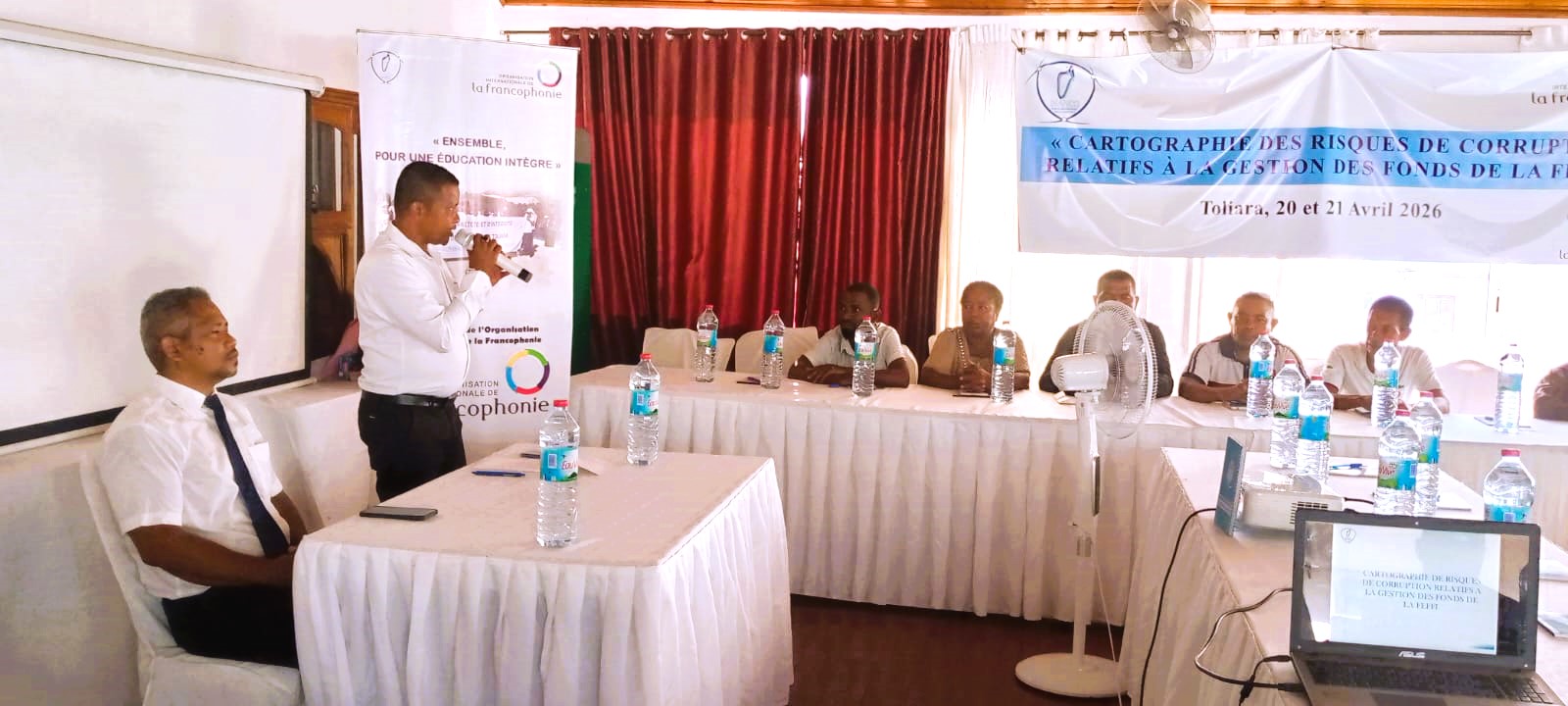
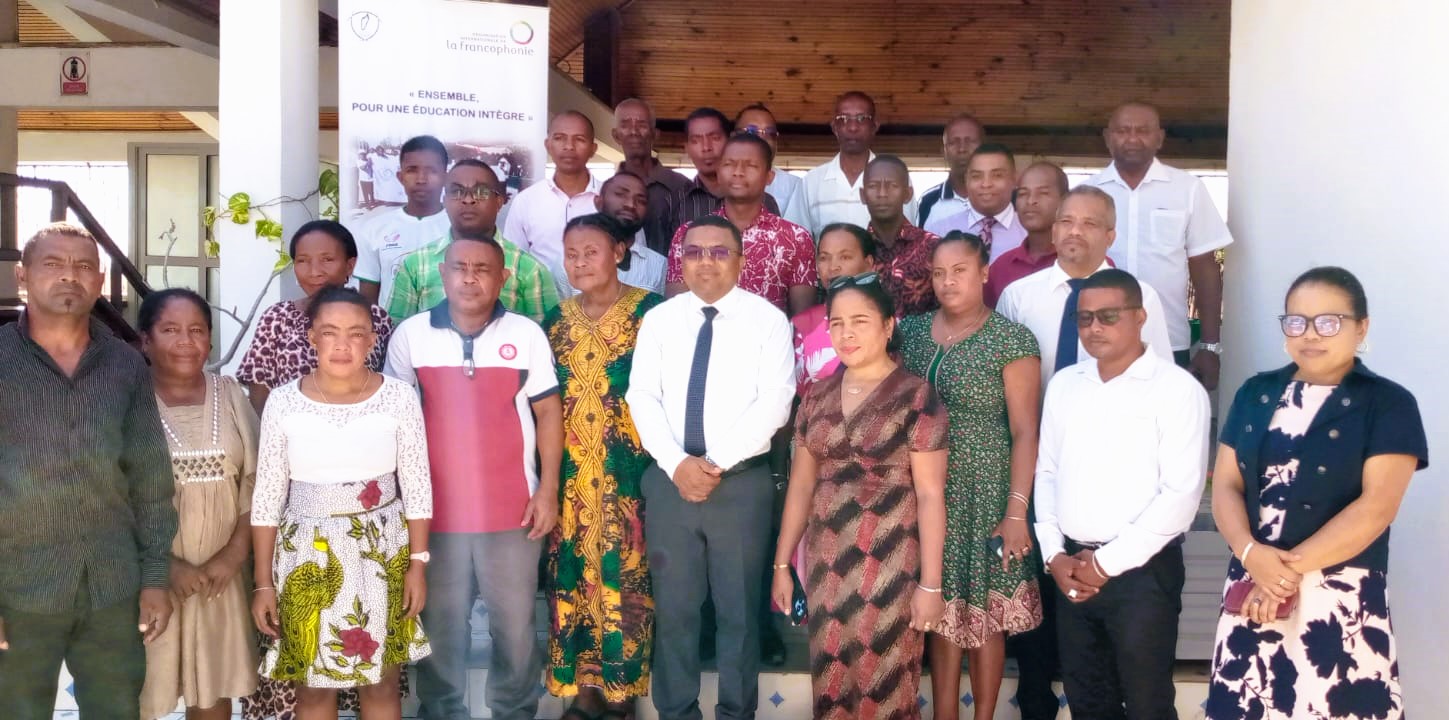
The stakes of the meeting were reflected in the strong high-level participation , marked by the presence of the Director General of BIANCO, Gaby Nestor RAZAKAMANANTSOA, who officially opened the workshop. Alongside him, representatives from the Regional Directorate of National Education (DREN) and the Territorial Director of BIANCO in Toliara expressed their strong support for the initiative. With a focus on capturing the diversity of field realities, the workshop brought together a wide range of actors: parents’ representatives, school principals, FEFFI officials, members of civil society, representatives of the Distrcit school offices( CISCOs) of Atsimo Andrefana, and delegates from the Urban Commune of Toliara.
The day began with essential context-setting, recalling the key pillars of the National Anti-Corruption Strategy (SNLCC) and highlighting the specific nature of offences related to school funds.Following this framework, participants engaged in a participatory process through interactive group work. This approach made it possible to conduct a practical analysis of financial and administrative processes in order to identify potential weaknesses.
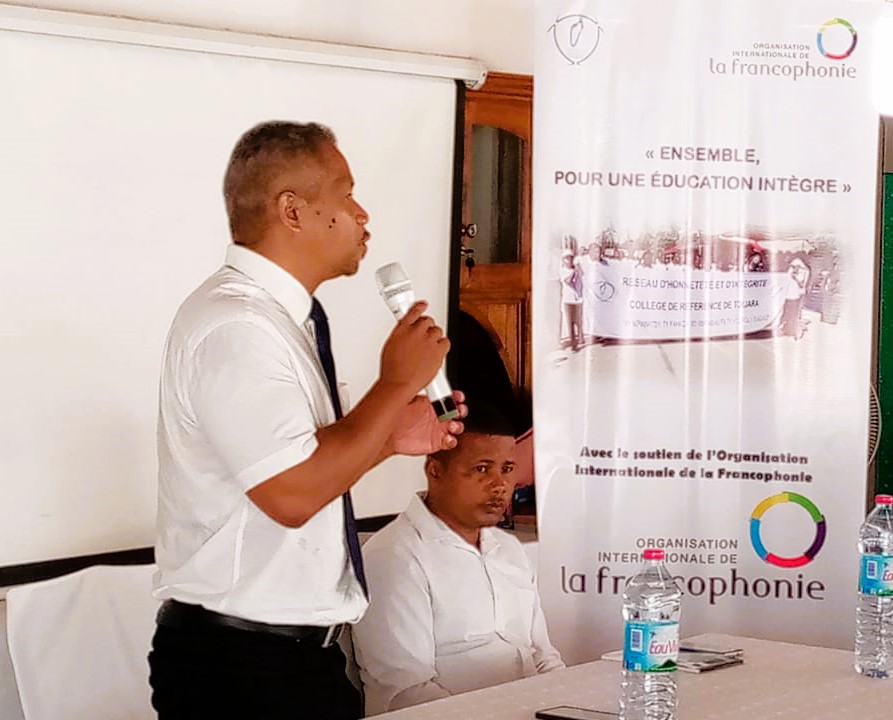
The workshop pursued a dual objective: firstly, to establish a precise diagnosis of vulnerabilities within the fund management system, and secondly, to formulate recommendations for the implementation of robust Anti-Corruption Mechanisms (DAC). Ultimately, the goal is to ensure the full security of financial resources so that every cent is effectively allocated to the basic education for children in the region .